What are private equity-backed CEOs prioritizing for 2027?
AI, talent, board effectiveness and peer learning: what CEOs told us at Astorg’s 2026 CEO Forum.
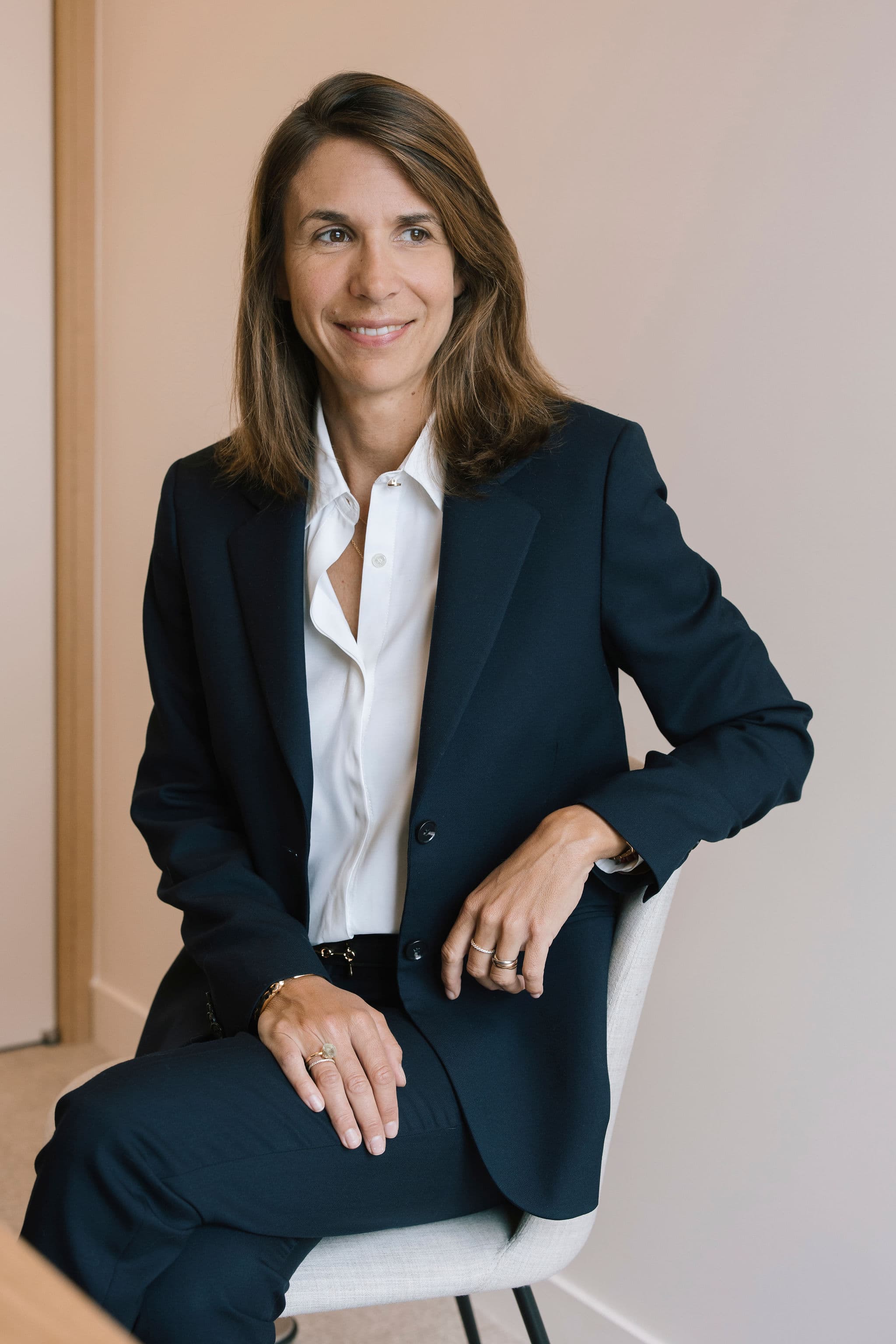
Judith Charpentier
Co-Managing Partner and Co-Head Flagship
Judith Charpentier
Co-Managing Partner and Co-Head Flagship
Judith Charpentier joined Astorg in 2009 and serves as Co-Managing Partner and Co-Head of the Flagship Fund. She sits on both the Investment and Executive Committees. In 2016, she founded Astorg’s Healthcare practice and has since built it into the firm’s largest investment area, with over €6.5 billion deployed.
Under her leadership, Astorg has become a reference in the sector, with key investments including Clario, CordenPharma, Nexpring, Cytel, Echosens, and HRA Pharma - many of which she sourced and led. Before joining Astorg, Judith worked in Investment Banking at Morgan Stanley in both Europe and the U.S.
She is based in Paris and graduated from ESSEC.
The short answer: CEOs see AI as the force most likely to reshape their businesses, but technology alone will not determine success. Talent, organizational readiness, effective boards and the ability to learn from peers will be equally important.
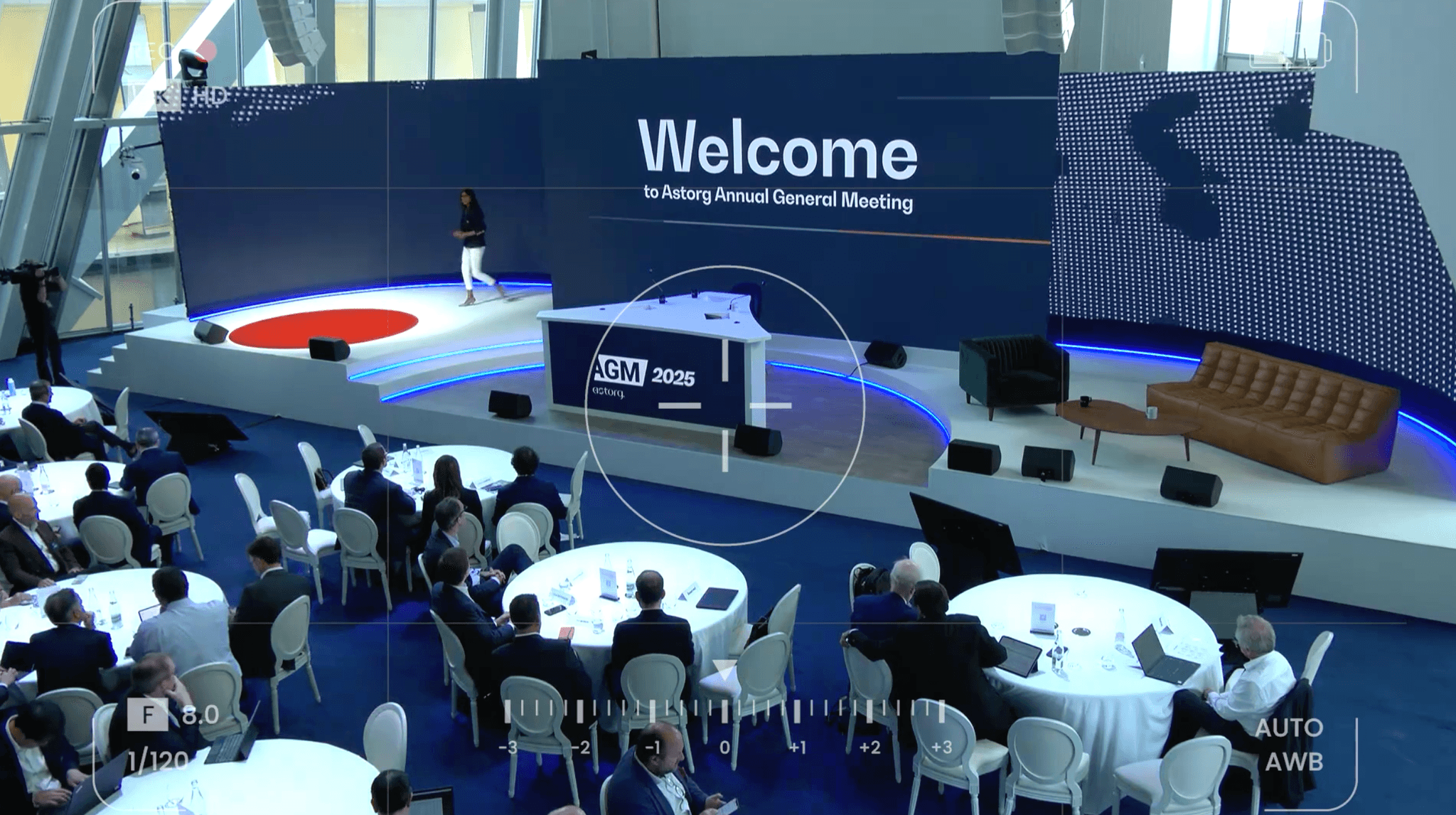
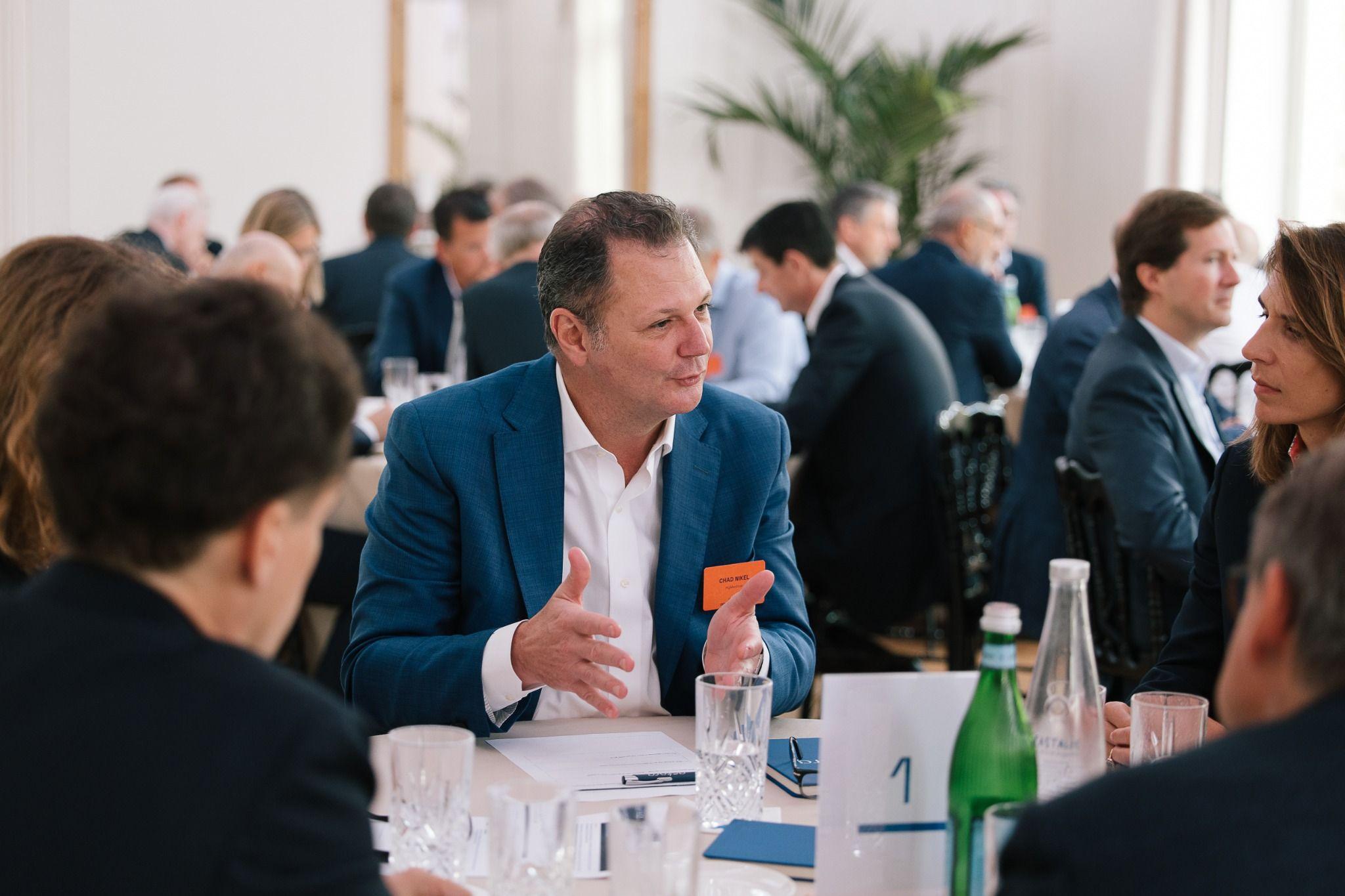
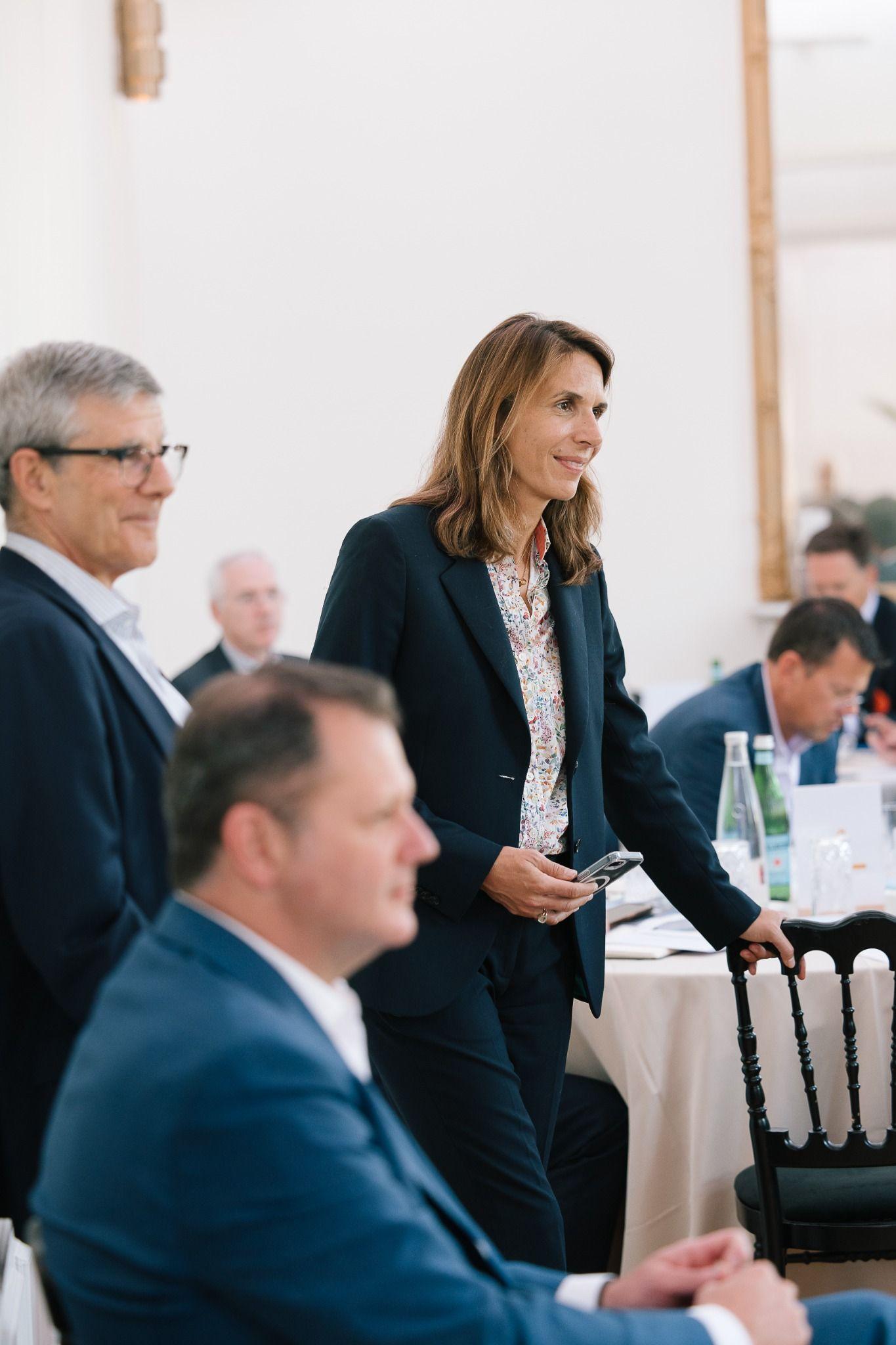
At Astorg’s second CEO Forum in Paris, leaders from across our portfolio discussed what it takes to run a business today while preparing it for tomorrow. Their responses reveal five priorities for CEOs navigating an environment in which disruption has become constant.
The answers below combine insights from the Forum’s discussions with perspectives shared by participating CEOs during and after the event.
Which force will require the greatest change?
AI and technology are clearly at the top of the CEO agenda.
50% of the CEOs who answered identified AI and technology as the external force likely to require the greatest change to their business over the next 24 months. Geopolitical and macroeconomic volatility, and changing customer or market expectations, followed at 23% each.
The breadth of the AI challenge helps explain that result. Leaders are not only considering how technology can improve productivity. They are also asking how it will affect their products, customer relationships, competitive positioning and operating models.
For CEOs, the priority is no longer simply to understand what AI can do. It is to determine where it can create meaningful value and what must change within the organization to capture it.
say AI and technology will drive major change over the next 24 months
identify geopolitical and economic uncertainty as a major challenge
point to changing customer and market expectations
Where do CEOs need to lead differently?
Technology execution and talent emerged as almost equal priorities.
Technology and AI execution was selected by 47% of respondents, while 44% chose team and talent. Decision speed followed at 13%.
The proximity of the two leading answers is significant. Technology may create the opportunity, but people determine whether an organization can capture it.
Participants highlighted the need to strengthen management teams, improve hiring and create operating models that can deliver today while preparing for tomorrow. One CEO summarised the AI challenge directly:
“Transform the business process with AI - do not just give tools to everybody.”
Successful adoption may require redesigned workflows, clearer ownership, stronger data foundations and new capabilities across the organization. It must be treated as a business transformation, not an isolated technology initiative.
see AI and technology execution as the leading area for change
believe CEOs need to lead differently on people and talent
identify faster decision-making as a leadership priority.
give their board a moderate contribution rating
see their board as making a strong contribution to their success.
acknowledge delaying a discussion with their board or sponsor
What makes the relationship with a board or sponsor useful?
Focused contribution, open communication and timely challenge.
When CEOs rated their board’s contribution to their success on a five-point scale—with higher scores indicating a greater contribution—46% chose the midpoint of 3, while 39% gave their board a higher rating of 4. The responses indicate that boards already provide meaningful value, while suggesting that there is still potential to contribute more.
A quarter of respondents also acknowledged that there was a conversation with their board or sponsor they had been postponing.
This matters because boards and investors can provide the greatest support when challenges are raised early enough for them to help. Effective governance requires clarity about which decisions need board involvement, access to relevant experience and a relationship in which disagreement can be expressed constructively.
Board effectiveness, the role of the chair and the relationship between CEOs, boards and shareholders were among the most frequently mentioned takeaways from the Forum.
The underlying message was clear: transparency makes partnership more useful. CEOs should be able to share uncertainty before they have every answer—and expect their boards and sponsors to respond with clarity, perspective and relevant support.
How can CEOs balance performance and transformation?
By focusing on the few actions that matter most while building the capacity to adapt.
One participant described the challenge as creating an operating model that balances “running the business with changing the business.” Another observed that speed must go hand in hand with end-to-end improvement.
Periods of disruption tend to generate a growing list of initiatives. Leadership requires reducing that list to the actions capable of making the greatest difference.
This does not mean choosing between current performance and long-term transformation. It means establishing a sequence the organization can realistically execute, with clear accountability and sufficient resources behind each priority.
Strategy and value-creation plans must also remain active. Management teams and investors should revisit their assumptions as conditions change, adapting the route without losing sight of the company’s central ambitions.
Why does peer exchange matter?
Because another CEO’s experience can turn an abstract idea into a practical one.
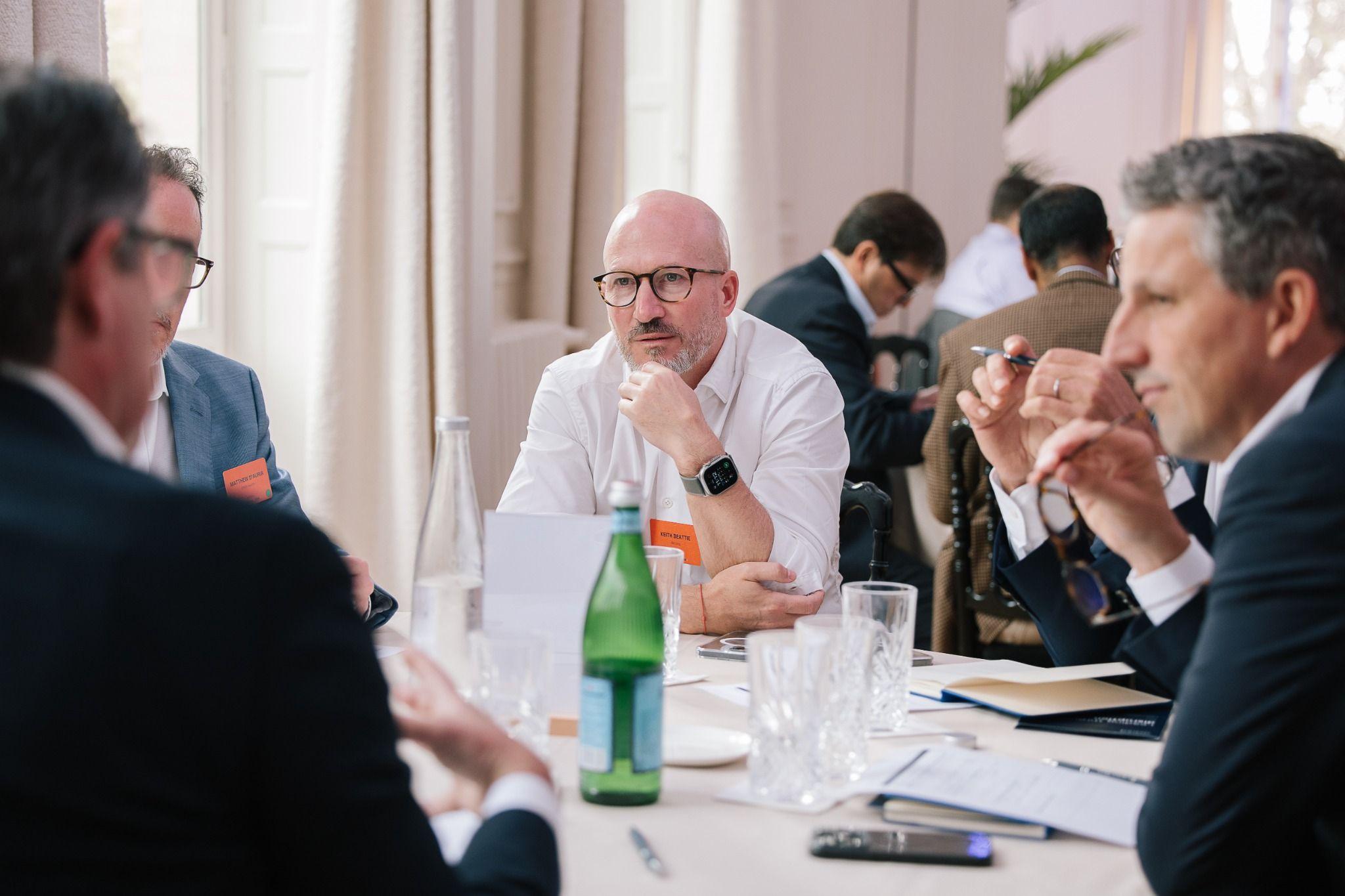
Connections with peers, small-group discussions and exchanges about board governance were repeatedly cited among the Forum’s most valuable elements.
Participants asked for more CEO-led case studies, further peer-to-peer discussions and deeper exchanges about how other leaders had implemented change. Several respondents simply identified “connections with my peers” or “the interaction with other CEOs” as their most valuable takeaway.
These exchanges help leaders build relationships, compare approaches and speak openly about what has—and has not—worked. They turn individual experience into collective value.
What should CEOs expect from a private equity partner?
The responses point to an expectation that extends well beyond capital.
CEOs value a partner that listens before offering an answer, aligns with management on the company’s ambitions and helps maintain focus as circumstances evolve. They also expect access to relevant expertise, constructive challenge, effective governance and a community of leaders facing comparable questions.
No investor can remove uncertainty from the CEO role. The right partner can, however, help management interpret it, make better-informed decisions and mobilize the capabilities required to act.
Explore our approach to investing
At Astorg, these insights help shape how we partner with management teams and how we create value: aligning on the priorities that matter, mobilizing relevant expertise, strengthening boards and creating opportunities for CEOs to learn from one another.
That is how experience from across a portfolio can become practical value for each individual company.
Judith Charpentier
Co-Managing Partner and Co-Head Flagship
Judith Charpentier joined Astorg in 2009 and serves as Co-Managing Partner and Co-Head of the Flagship Fund. She sits on both the Investment and Executive Committees. In 2016, she founded Astorg’s Healthcare practice and has since built it into the firm’s largest investment area, with over €6.5 billion deployed.
Under her leadership, Astorg has become a reference in the sector, with key investments including Clario, CordenPharma, Nexpring, Cytel, Echosens, and HRA Pharma - many of which she sourced and led. Before joining Astorg, Judith worked in Investment Banking at Morgan Stanley in both Europe and the U.S.
She is based in Paris and graduated from ESSEC.