Beyond capital: what CEOs should expect from a private equity partner
Capital may enable a company’s ambitions, but it is rarely enough to realize them. The right private equity partner should also bring perspective, challenge, expertise and trusted relationships—particularly in the “new normal” environment of disruption and uncertainty.
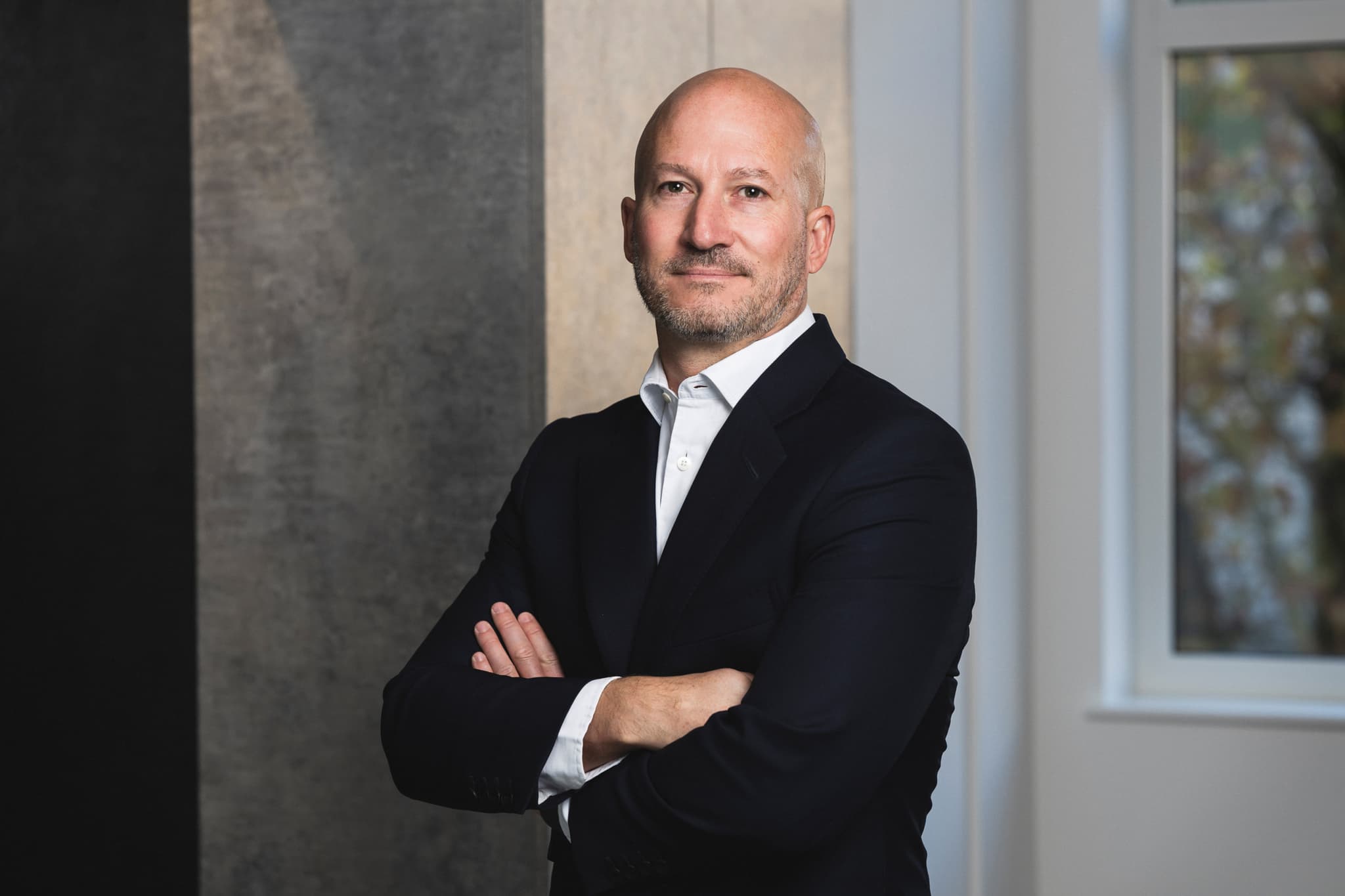
Keith Beattie
Partner, Head of Operations
Keith Beattie
Partner, Head of Operations
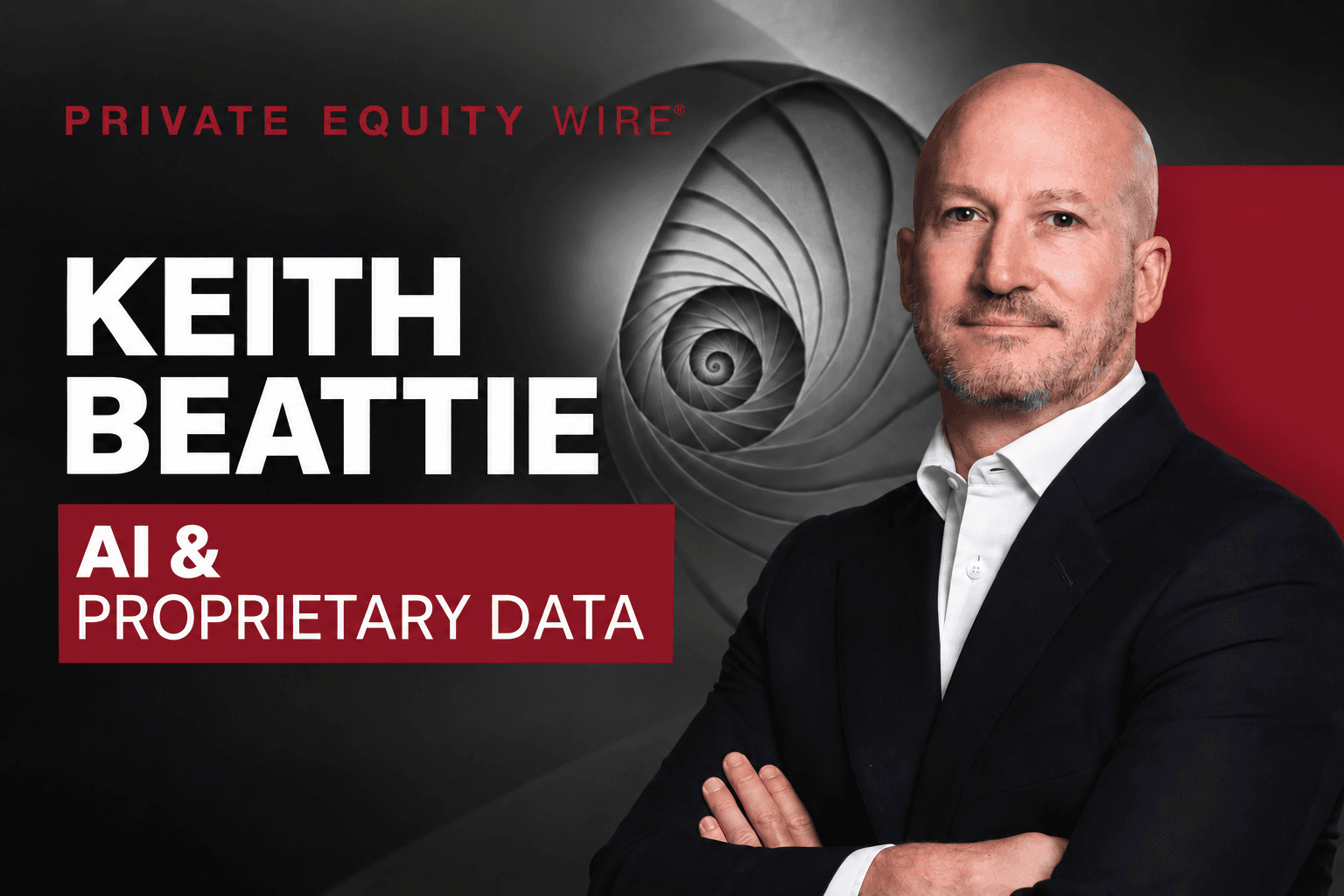
Keith Beattie joined Astorg in 2024 and leads the Operations team. Prior to joining Astorg, Keith spent over a decade at McKinsey & Company, where he helped build and scale “McKinsey Transformation,” a practice focused on delivering bottom-line impact in high-stakes performance improvement initiatives.
In his most recent role, he led the practice across the UK and Ireland. Earlier in his career, Keith held advisory roles at Alvarez & Marsal and Gemini Consulting, with a focus on turnarounds and operational performance.
Keith is based in London and is a graduate of Imperial College London.

What should a CEO expect from a private equity partner beyond capital?
At its best, the relationship helps the CEO make better decisions, act with greater confidence, and access experience/expertise that would otherwise be difficult to assemble. To do this the CE and sponsor must align on the company’s ambitions and identify the few priorities that will create the greatest value and address difficult questions with transparency.
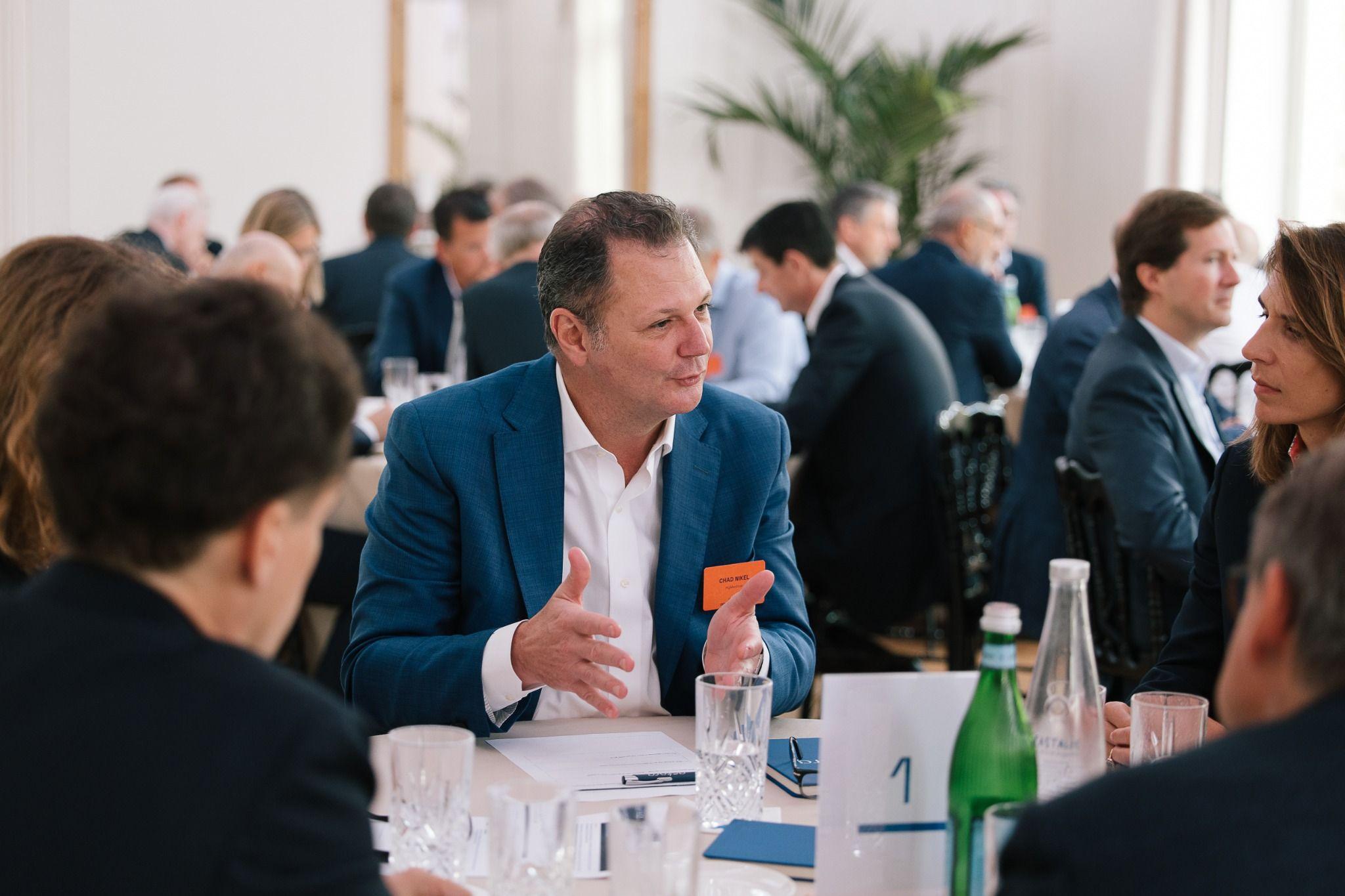
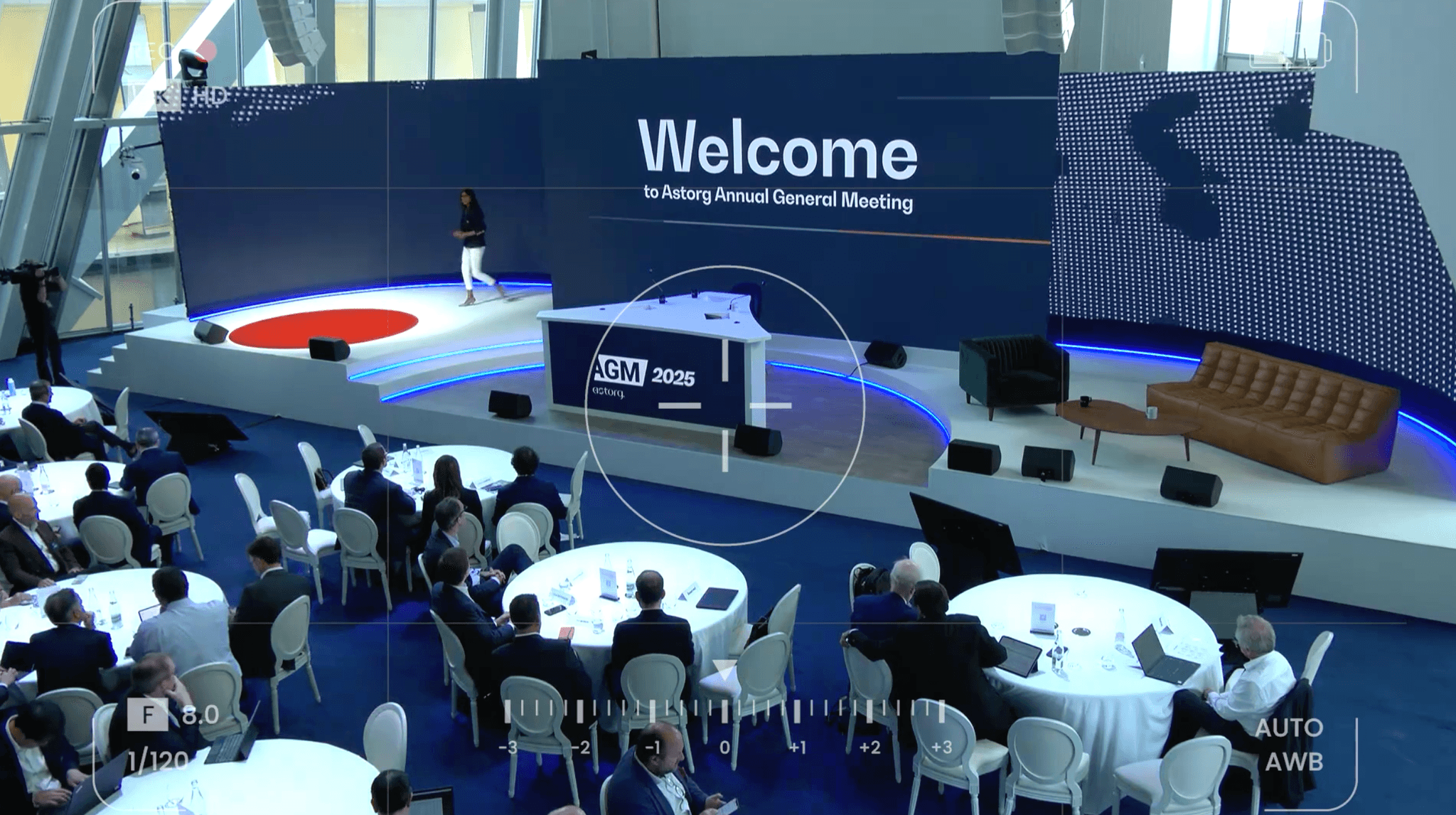
These themes were central to the conversations at Astorg’s second CEO Forum, which brought together leaders from across its portfolio in Paris. Through panels, a fireside discussion and exchanges between peers, participants explored the practical realities of leading through disruption.
Five themes emerged for a partnership capable of creating lasting value.
1. Bring perspective that turns disruption into priorities
CEOs are navigating several system shocks simultaneously: artificial intelligence, geopolitical uncertainty, changing customer expectations, new competitors and evolving workforce needs.
When everything appears urgent, one of the most valuable contributions an investor can make is perspective on the truly urgent. By working across companies, sectors and market cycles, a private equity partner can identify recurring patterns, connect management teams with relevant expertise and help distinguish structural change from short-term noise and help prioritization accordingly.
This perspective should not replace the judgment of management. It should help the CEO test assumptions, establish priorities and protect the organization from pursuing too many initiatives at once.
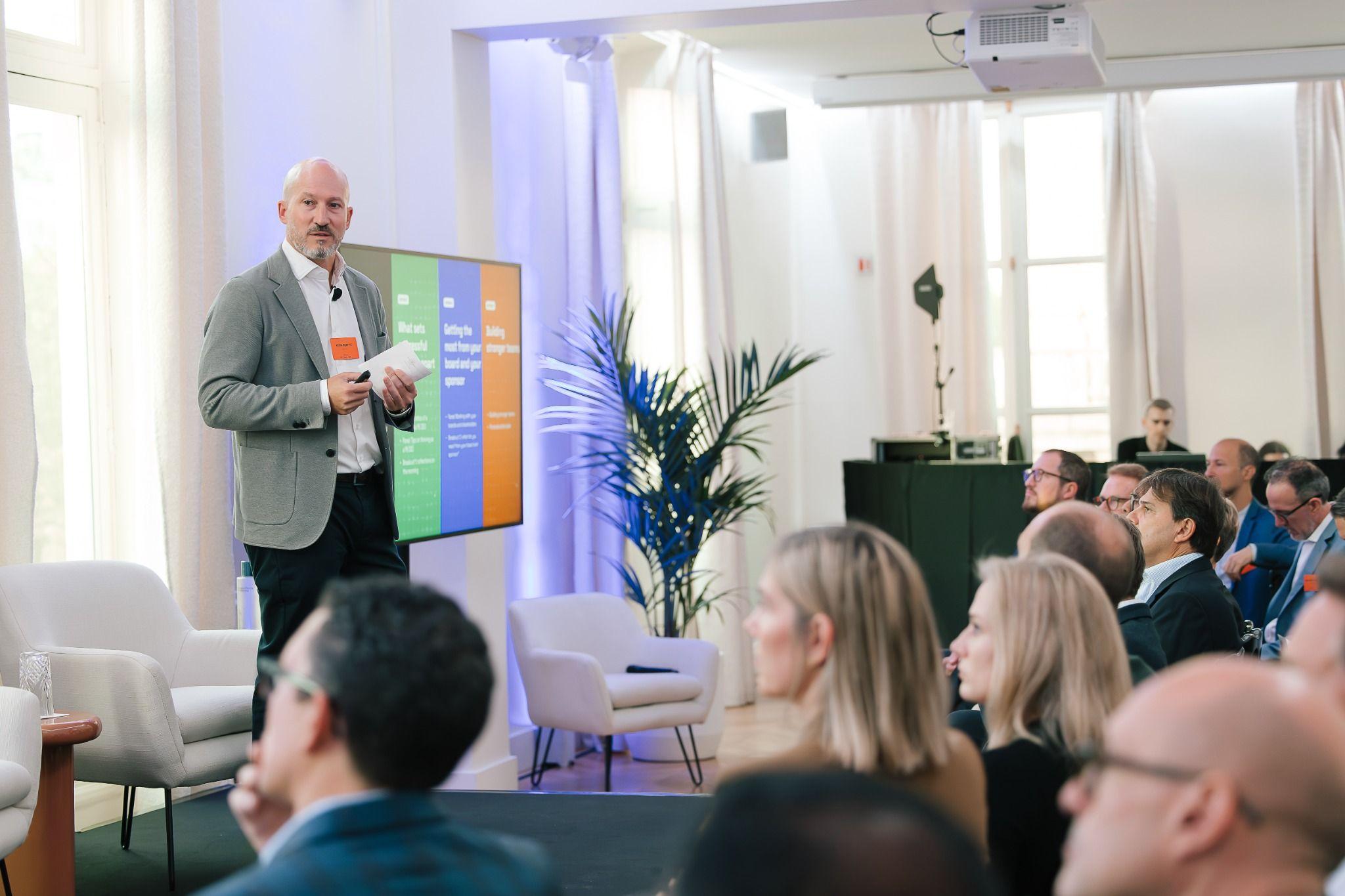
“Value creation is not simply about launching more initiatives. It is about focusing on the few actions that can make a disproportionate difference and executing them well.”
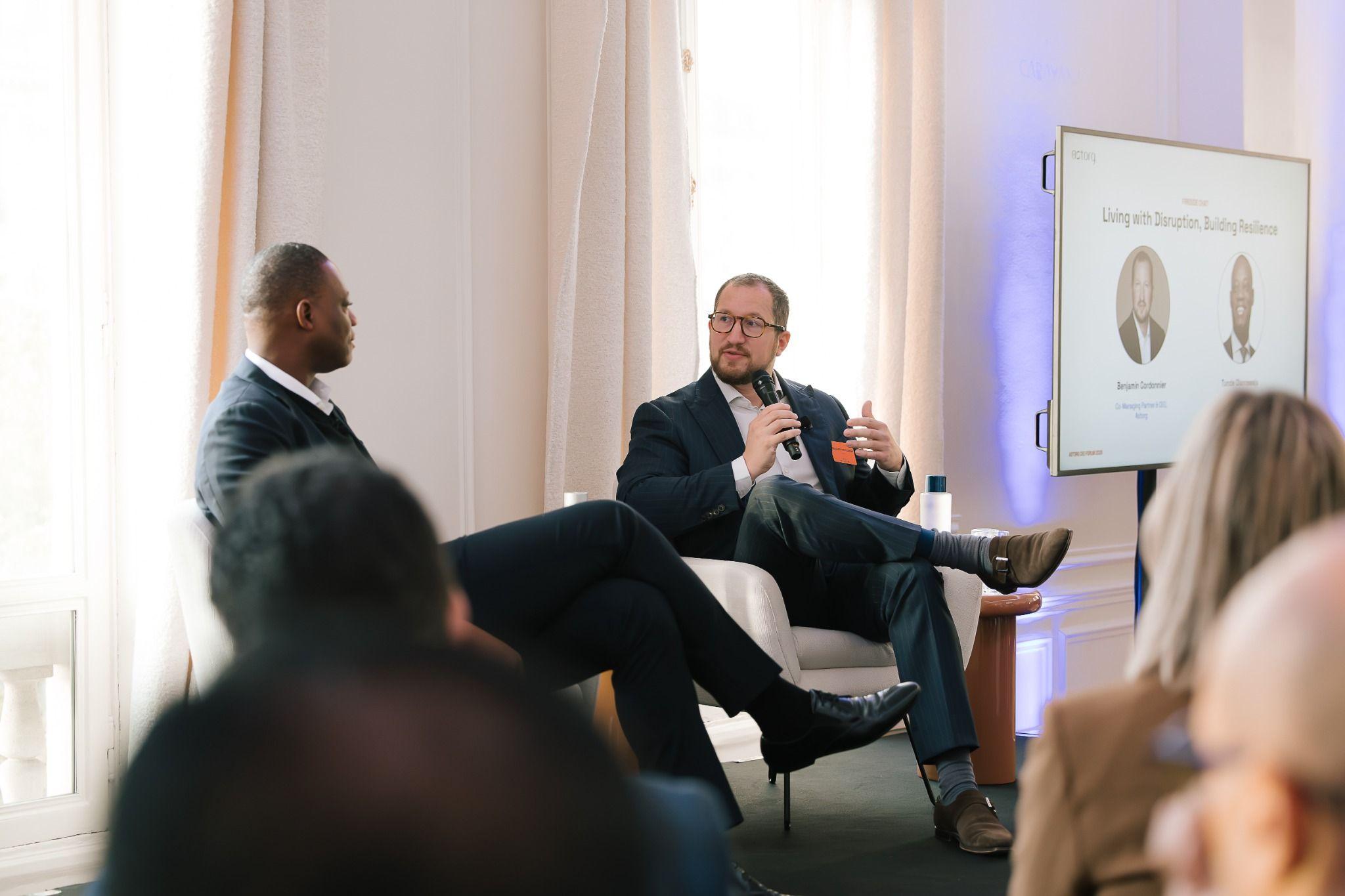
This focus must be combined with the ability to adapt. During his fireside conversation with Tunde Olanrewaju of McKinsey & Company, Benjamin Cordonnier, Co-Managing Partner and CEO of Astorg, observed:
“Adaptability and resilience are now a real KPI that investors assess and value when looking at a company.”
Adaptability does not mean changing direction whenever circumstances shift. It means keeping the company’s strategy and value-creation plan active: regularly revisiting the assumptions behind them and adjusting the route when new information emerges.
The CEO’s challenge is to continue running the business today while changing it for tomorrow. A strong partner helps maintain that balance, bringing an external perspective while remaining aligned with management on the company’s ambitions.
2. Provide practical experience to redesign the business for AI
Half of the CEOs who responded during the Forum identified AI and technology as the external force most likely to affect their company over the next three years. When asked where they would need to lead differently first, AI execution and team capabilities emerged as the two leading priorities.
The proximity of those answers is significant. AI transformation is not primarily a technology challenge; it is an organizational one.
Capturing its value will require companies to redesign workflows, clarify accountability, strengthen their data foundations and reconsider how products and services are delivered. CEOs should therefore expect their private equity partner to help move the conversation beyond tools and individual use cases.
Several portfolio leaders shared how this change is already taking place within their businesses.
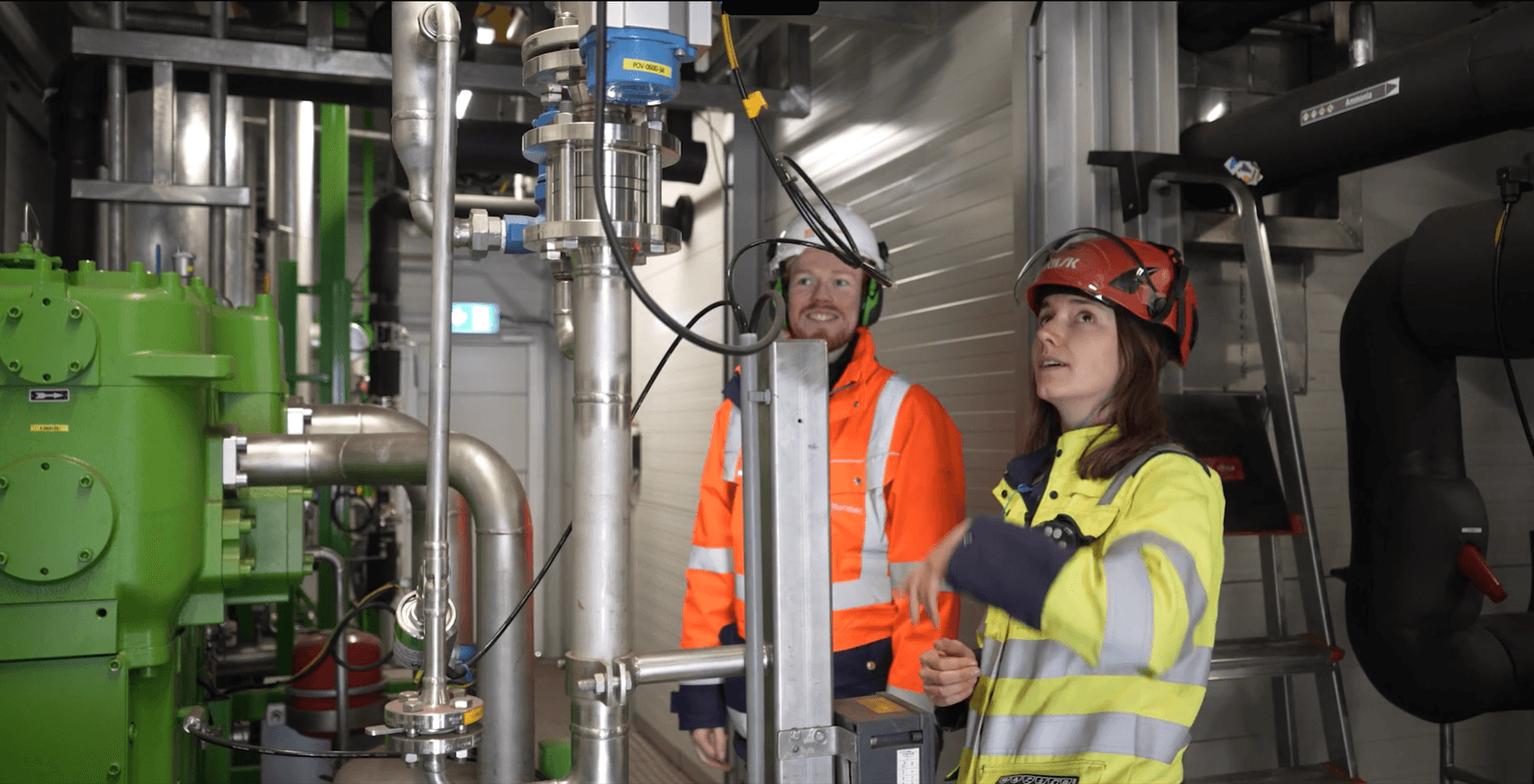
At Echosens, the adoption of AI has begun to influence ways of working across the organization.
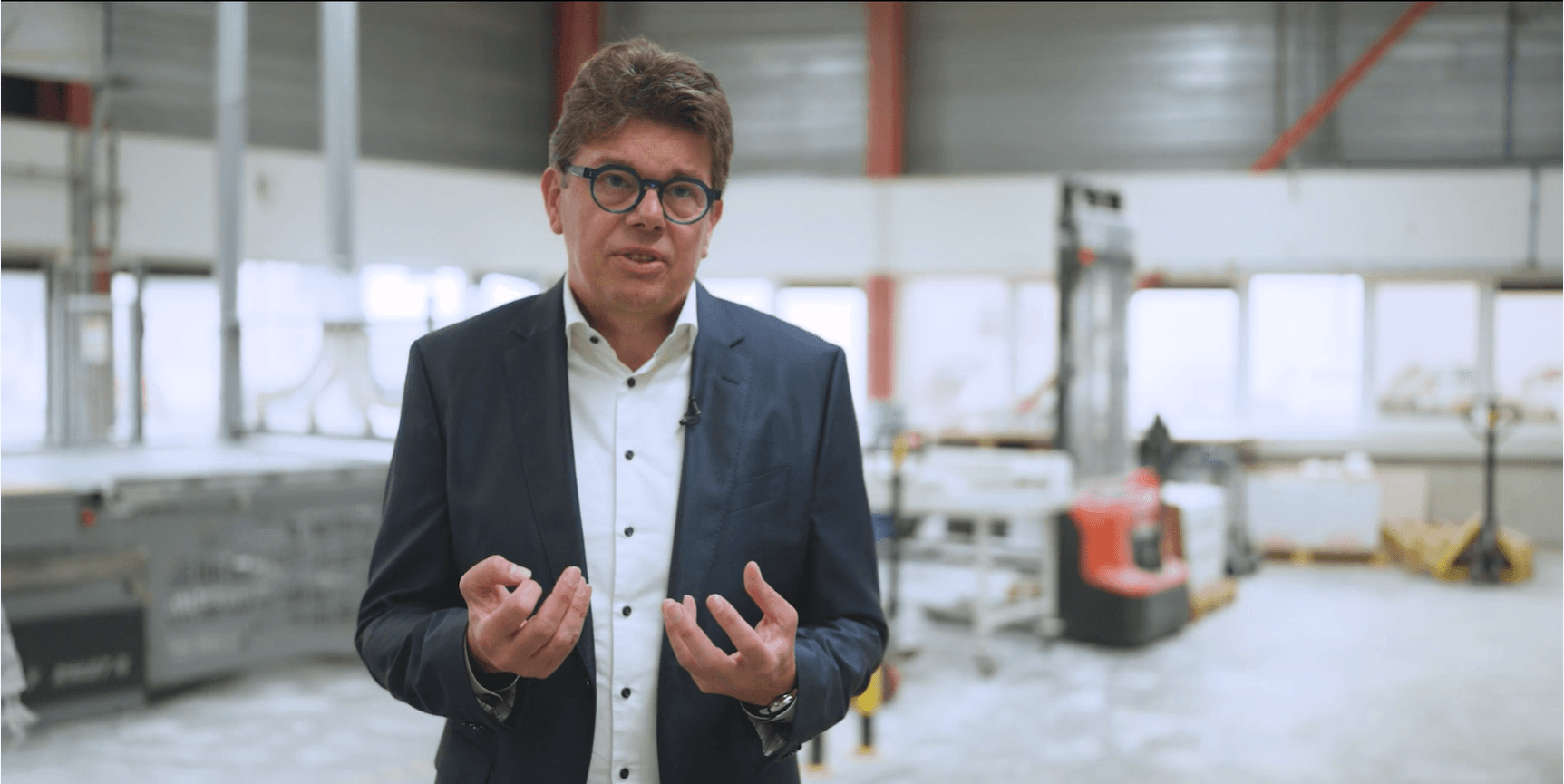
“The way people look at it and use AI did change the culture,”
At Third Bridge, the transformation is also being driven by rapidly evolving customer behaviour.
“Nowadays our clients are expecting to consume knowledge via AI,”
The experiences shared by Sofico, Nexpring and other portfolio companies reinforced the same lesson: AI cannot remain an isolated initiative at the edge of the organization. It needs clear business ownership and a direct connection to the company’s strategy.
A value-creating partner should bring relevant specialists, share lessons from other transformation journeys and help management identify where AI can deliver a meaningful competitive advantage.
3. Support building the team for the next stage
Strategy moves at the speed of the team responsible for delivering it or “culture eats strategy for breakfast” as the famour quote goes.
That is why CEOs should expect constructive challenge from their private equity partner on talent, organizational design and leadership effectiveness. These discussions can be sensitive, but delaying them can slow transformation and place additional pressure on the wider management team.
“The number one thing is talent on the management team.”
The Forum discussions highlighted several questions that CEOs and investors should address together:
- Does the leadership team have the capabilities required for the company’s next stage?
- Are responsibilities and decision rights sufficiently clear?
- Is the organization equipped to deliver today while building for the future?
- Are important talent decisions being taken early enough?
- Which capabilities should be developed internally, and where is external expertise needed?
A good partner does not approach these questions with a predetermined answer. It listens first, understands the company’s culture and ambitions, and then helps the CEO make decisions aligned to the strategy and stage of the investment right now.
4. Develop a relationship built on alignment and trust
The relationship between a CEO and a private equity investor will inevitably include difficult moments. Performance may depart from the original plan, market conditions may change, or a transformation may take longer than expected.
The quality of the partnership becomes most visible in those moments.
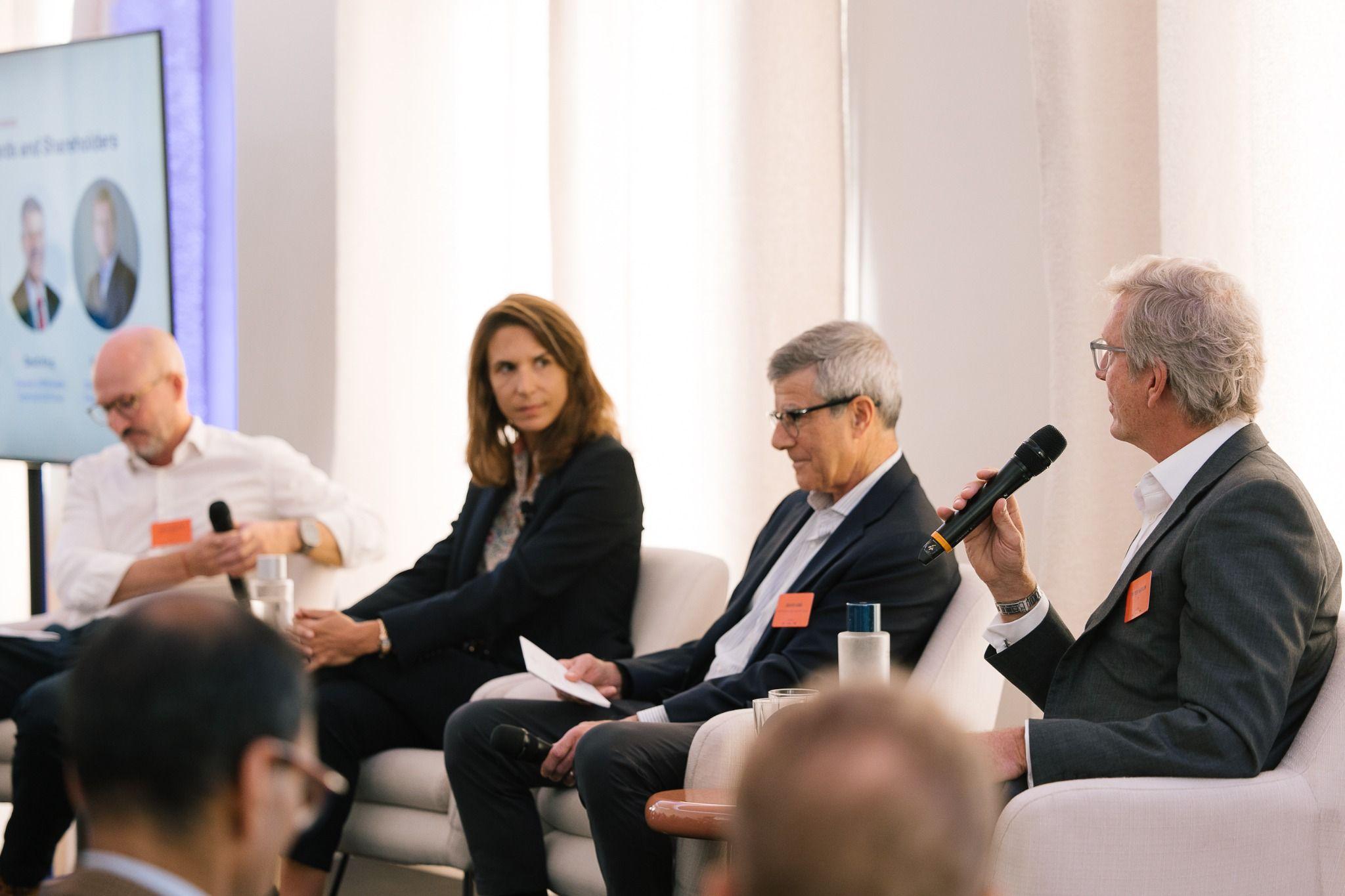
During a discussion moderated by Keith Beattie, Judith Charpentier of Astorg, David King—Chairman of Cytel, OPEN Health and LGC Group, and Peter Nicklin of IPL explored how CEOs, boards and investors can work together more effectively.
For Judith, the foundation is clear:
“The most important element in the relationship between a CEO and a sponsor is mutual trust: no surprises, open communication and clarity about where we can help.”
Trust makes it possible to share challenges before every answer is known. It gives the board and investor an opportunity to contribute while there is still time to act—and enables constructive challenge without undermining management’s responsibility for running the business.
Wil Boren of Nexpring captured the value of confronting changing circumstances directly:
“What we thought was going to happen is not going to happen, so let’s rework the plan.”
Effective governance also requires shared objectives, complementary perspectives and clarity about the contribution expected from each party.
Alignment does not mean agreeing on every point. It means maintaining a common understanding of the company’s ambitions, the priorities that matter most and the evidence by which progress will be assessed. Trust then makes honest disagreement productive.
5. Give access to a community of peers
Some leadership challenges can be understood fully only by someone who has occupied the same role.
A private equity partner should therefore provide more than access to advisers. It should create opportunities for CEOs to learn from one another—sharing what has worked, what has been more difficult than anticipated and what they would approach differently.
“Learning from what other people are doing in this period of disruption is something that is very helpful for me,”
Peer exchange was consistently identified as one of the most valuable elements of the Forum. Participants also expressed an appetite for more practical CEO case studies, deeper exchanges on AI implementation and further opportunities to learn from one another.
These relationships develop through formal discussions, but also through informal shared experiences. Before the Forum, CEOs and members of Astorg’s Portfolio Performance team came together at Ducasse to prepare their evening meal. Cooking together provided a different setting in which to listen, collaborate and build relationships.
Such moments matter because trust cannot be created only around a boardroom table. The stronger the relationships are before a difficult decision arises, the more open and useful the subsequent conversation can be.
From investor to partner
Every company’s journey is different. CEOs should not expect an investor to arrive with a cookie cutter approach or to take management’s place in running the business.
They should expect a partner that:
- listens before offering an answer;
- aligns with management on ambitions and priorities;
- brings repeatable systematic experience and expertise where they are relevant;
- provides constructive challenge when it is needed;
- creates access to a wider community of leaders; and
- builds the trust required to navigate difficult moments together.
This is the role Astorg seeks to play alongside its portfolio companies. Its Portfolio Performance team works with management to connect strategic ambition with execution, mobilize relevant expertise and turn experience from across the portfolio into practical support.
Capital can open the door to a company’s next stage of development. But realizing that potential depends on people, decisions and execution.
The right private equity partnership brings those elements together—helping CEOs focus on what matters, adapt as conditions change and create sustainable value.
Explore our approach to investing
Keith Beattie
Partner, Head of Operations
Keith Beattie joined Astorg in 2024 and leads the Operations team. Prior to joining Astorg, Keith spent over a decade at McKinsey & Company, where he helped build and scale “McKinsey Transformation,” a practice focused on delivering bottom-line impact in high-stakes performance improvement initiatives.
In his most recent role, he led the practice across the UK and Ireland. Earlier in his career, Keith held advisory roles at Alvarez & Marsal and Gemini Consulting, with a focus on turnarounds and operational performance.
Keith is based in London and is a graduate of Imperial College London.