Decarbonization: A performance discipline
88% of our portfolio (by invested capital) has now validated science-based decarbonization targets – well ahead of our 2025 commitment.

Viviana Occhionorelli
Partner, Head of Sustainability
Viviana Occhionorelli
Partner, Head of Sustainability
Viviana Occhionorelli joined Astorg in 2018 and serves as Partner in charge of Sustainability. She has built a best-in-class sustainability practice with the aim to create long-term value and resilience in the portfolio. This has resulted in a portfolio aligned with SBTi-validated decarbonization targets and with Ecovadis ratings which are above benchmarks. Prior to Astorg, Viviana was Global Sustainability Manager at Barco and European Environmental Manager at Sony Electronics, with a focus on circular economy, eco-design, and supply chain sustainability.
She is based in Paris and holds degrees from Imperial College London, Oxford Brookes University, and Vlerick Business School.

Climate commitments are now common. Execution remains the differentiator.
In 2021, we set ourselves a clear goal: align 30% of our portfolio with science-based targets by 2025, and 100% by 2030 - in line with the Science Based Targets initiative, the global benchmark for corporate decarbonization pathways. Since then, our sustainability team worked closely with our investment teams and portfolio companies to translate that ambition into concrete operational action. Today, we’re at 88%. Not because regulation forced our hand. Not because reporting frameworks demanded it. But because we see decarbonization for what it is: a driver of resilience, competitiveness, and long-term value.
Companies that understand their emissions, invest in efficiency, and build credible transition pathways tend to put themselves in a stronger position over time. That’s not ideology, it’s operational reality. And it’s supported by evidence from the Science Based Targets initiative, which consistently shows that companies with validated targets move faster on decarbonization and demonstrate higher climate ambition. At Astorg, sustainability matters because it underpins long-term value creation and protection.
• 88% of invested capital now has validated SBTs
• Target reached ahead of 2025 commitment
• Portfolio emissions reduced significantly
• Operational execution is the main differentiator
In 2021, we set ourselves a clear goal
Objective to align our portfolio with science-based targets by 2025
Objective by 2030 - in line with the Science Based Targets initiative
What actually makes the difference
It starts with how we invest. Climate is embedded into our due diligence from day one - alongside commercial and financial fundamentals. We look closely at emissions hotspots, energy intensity, and decarbonization potential. Once a company joins the portfolio, the work accelerates quickly. Carbon footprints, energy audits, SBTi roadmaps, access to Astorg’s carbon platform - these aren’t box-ticking exercises. They give management teams the tools they need to prioritize actions that move the needle.
And because data is crucial when it comes to climate, we have developed an internal climate dashboard and established a strong climate data governance at Astorg, enabling us to effectively steer and monitor portfolio performance.
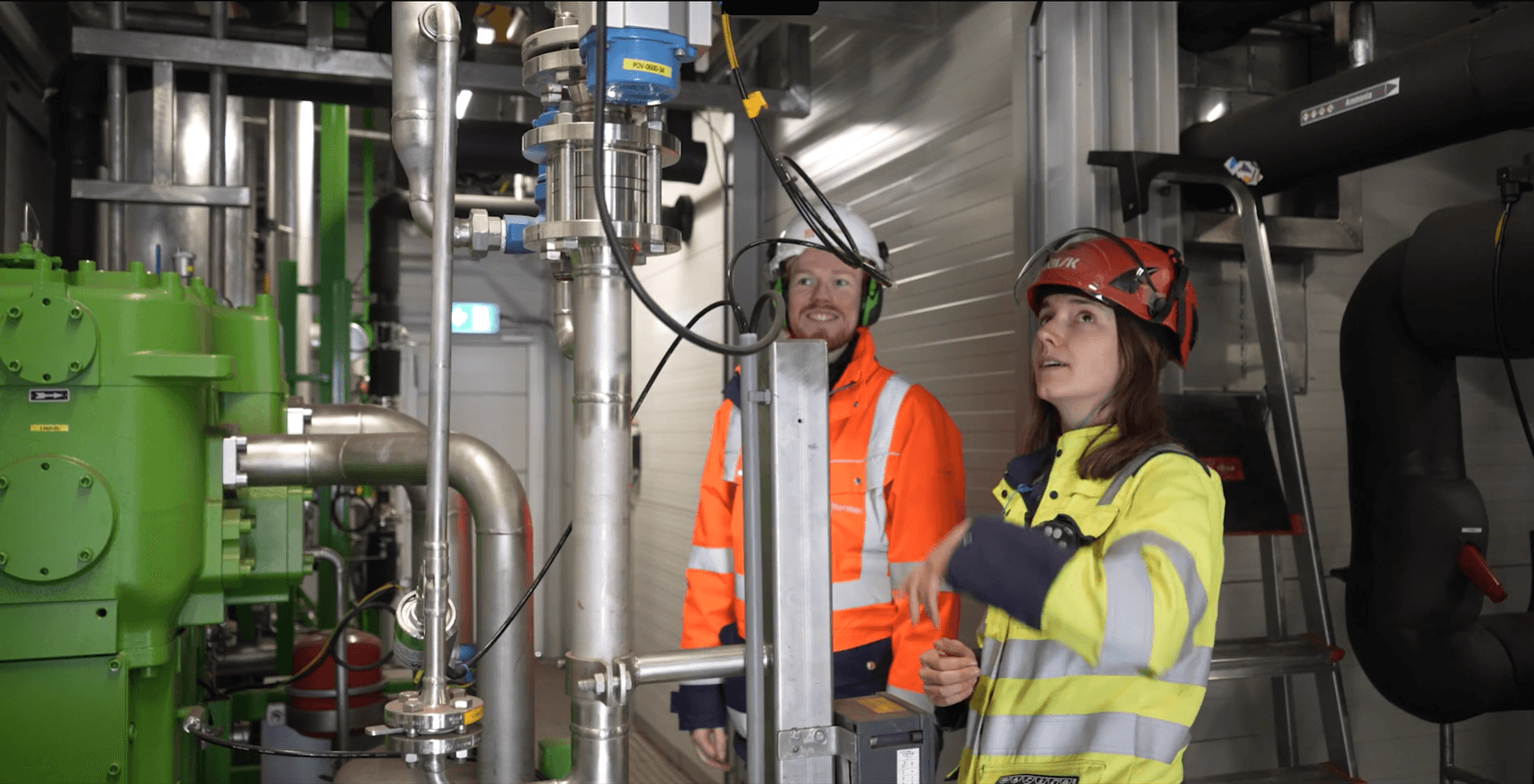
Governance matters just as much. Targets sit at board level. Sustainability leads are clearly designated. Progress is reviewed regularly. Without ownership and cadence, ambition fades. With them, execution compounds. And we don’t let companies work in isolation. We share tools, playbooks and practical experience across the portfolio. Peer exchanges often unlock solutions faster than any external consultant. There’s no silver bullet here. Just consistent execution, applied over time. Much of this happens far from headlines, during site visits, calls with management teams, and deep dives into energy systems and supply chains. That’s where real progress is made.
Portfolio examples
From intent to outcomes
Targets only matter if they change what happens on the ground. Here’re some examples of what that looks like across our portfolio:
- CordenPharma - A global contract development and manufacturing partner to the pharmaceutical industry, backed by Astorg since 2022.
- Reduced Scope 1 and 2 emissions by 19% in a single year through energy-efficiency upgrades, lower natural-gas use and increased renewable electricity. Solvent-saving innovations also cut waste and operating costs, strengthening CordenPharma’s appeal to customers prioritizing low-carbon supply chains.
- Solina - A leading European savory food ingredients group, backed by Astorg since 2021.
Developed a Product Carbon Footprint tool that unlocked new commercial conversations and became a tangible differentiation point with customers increasingly focused on transparency. - Nemera - A global manufacturer of drug delivery devices for pharmaceutical and biotech companies, backed by Astorg since 2019.
Reduced Scope 1 and 2 emissions by 95% versus 2019, driven by machine-level energy optimisation and targeted operational upgrades, materially strengthening its positioning with global pharma partners seeking lower-carbon manufacturing.
The pattern is consistent. When decarbonization is treated as an operational priority, it improves efficiency, credibility and competitiveness.
What comes next
Our ambition remains clear: to have 100% of portfolio companies with validated science-based targets by 20301, Reaching that milestone requires going deeper, not broader. Scope 3 emissions - across value chains - represent the most complex and often most material part of decarbonization. Addressing them demands closer collaboration with suppliers and customers, sharper data, and continued innovation in processes and energy systems. It also requires sustained partnership with management teams, scaling what works, refining what doesn’t, and staying relentlessly practical.
Decarbonization is not a destination. It is discipline. It is about progress - measured, governed and delivered. When climate strategy is embedded into how companies are built and run, it creates value now, not someday. That is the model we have seen work across our portfolio. And it is the standard we continue to apply.
¹ Subject to periodic review with SBTi
Viviana Occhionorelli
Partner, Head of Sustainability
Viviana Occhionorelli joined Astorg in 2018 and serves as Partner in charge of Sustainability. She has built a best-in-class sustainability practice with the aim to create long-term value and resilience in the portfolio. This has resulted in a portfolio aligned with SBTi-validated decarbonization targets and with Ecovadis ratings which are above benchmarks. Prior to Astorg, Viviana was Global Sustainability Manager at Barco and European Environmental Manager at Sony Electronics, with a focus on circular economy, eco-design, and supply chain sustainability.
She is based in Paris and holds degrees from Imperial College London, Oxford Brookes University, and Vlerick Business School.




.png&w=2048&q=75)